
47 Mistakes
Why the MA-1 was never a design classic
Republished as originally written. References to events reflect the original publication date.
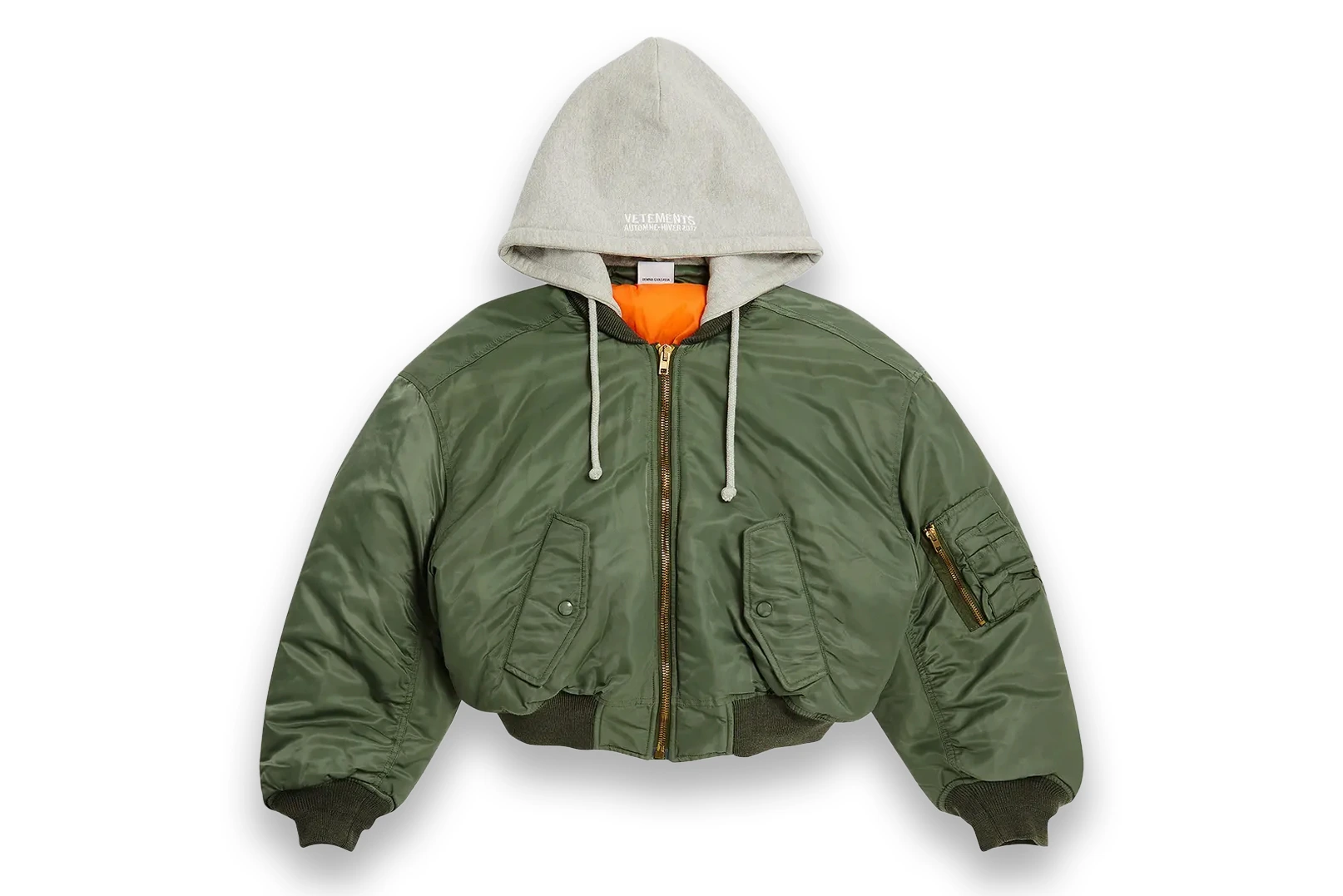
When Alpha Industries examined a bomber Vetements had been trying to manufacture in Italian factories, it identified 47 mistakes. It was made from nylon, had ribbed cuffs and waistband, a zipped utility pocket on the upper left sleeve, and two low, angled front pockets. To most people it looked like an MA-1 jacket, yet as far as Alpha Industries were concerned it wasn’t up to spec.
That’s because these weren’t aesthetic mistakes, but deviations from the government specifications that the company had spent decades working to. The last available specification, issued in March 1988, runs to 36 pages. It contains 21 numbered sewing operations, specifies five sizes and sets measurements for everything from waistband width and zip length to pocket openings and sleeve inseams. Even the number and type of stitches are prescribed, along with the degree of deviation that constitutes a manufacturing defect.
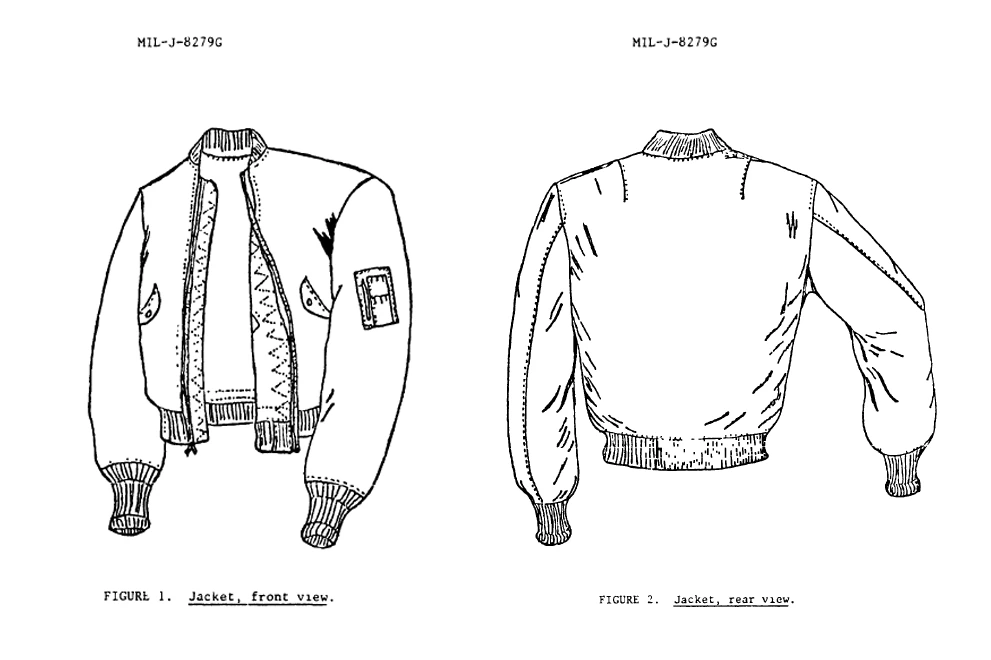
Against that level of detail perhaps 47 mistakes isn’t bad at all.
Many fashion people might describe the MA-1 jacket as a design classic, even an icon. Yet the MA-1 was never a fixed design. It was part of an iterative lineage, with precursors before it and incremental modifications afterwards. The lineage can be traced back to the leather A-1 flight jacket, introduced in 1927, before passing through the A-2, B-10 and B-15. Each responded to changes in aircraft, materials and the equipment worn by aircrew.
In the Westminster Menswear Archive is a B-15D MOD from the early 1950s that makes this process of continual modification unusually visible.
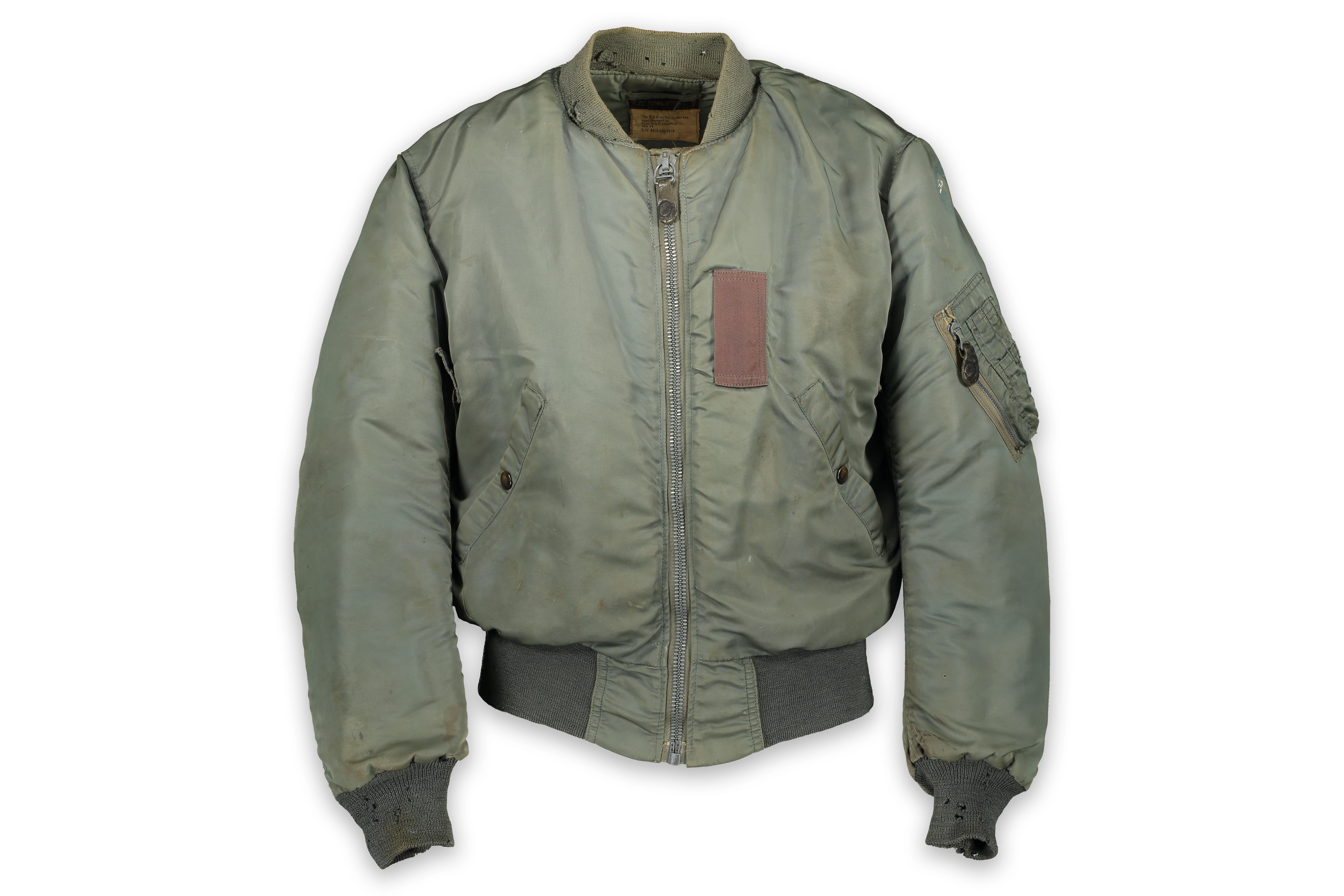
Its original mouton collar was removed and replaced with knitted wool rib because the bulky fur interfered with the new hard helmets being issued to aircrew. Rather than discard the jackets, the US Air Force recalled and modified them, recording the alteration on a new label sewn inside.
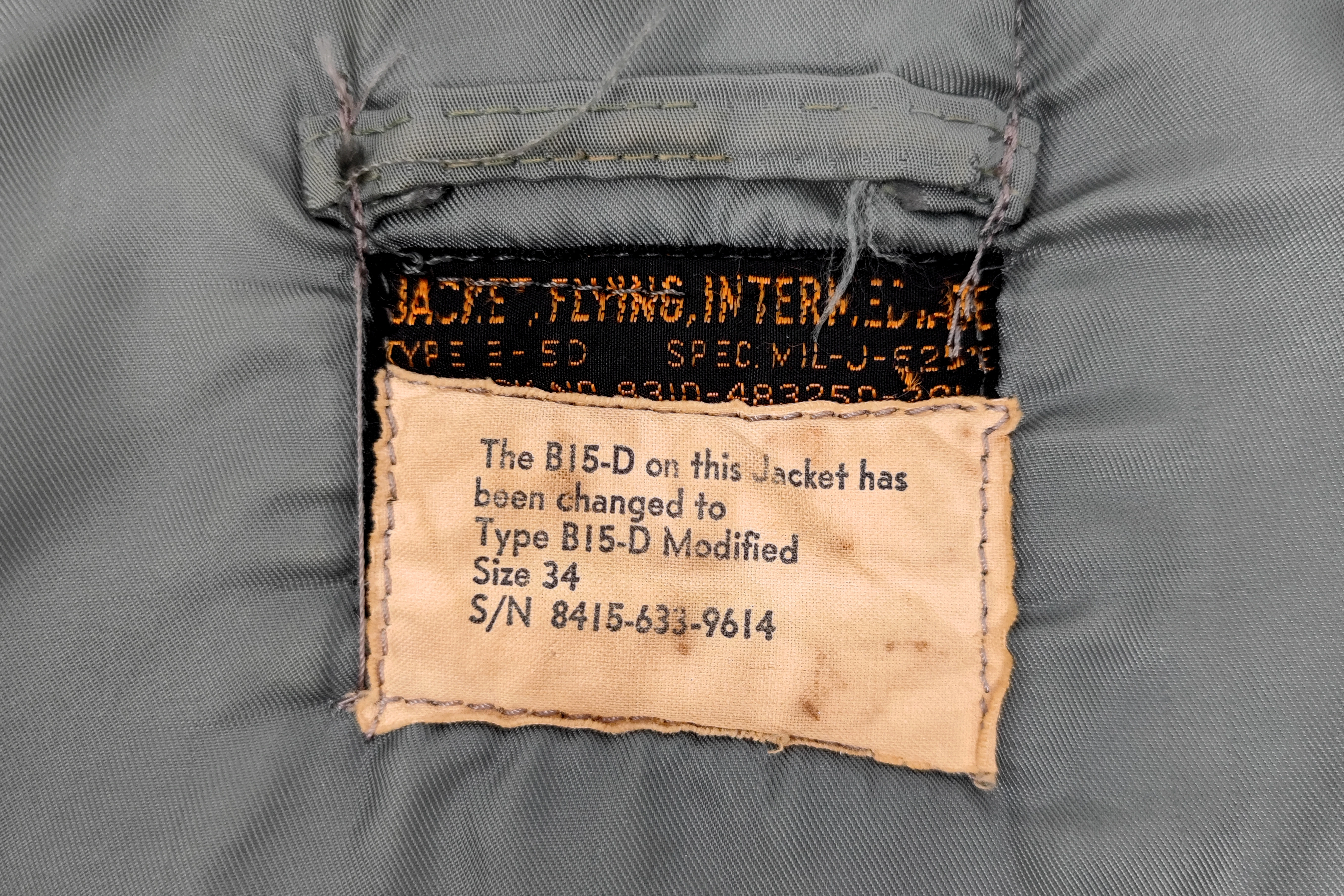
Though it might be assumed that fashion’s endless reworking of the MA-1 is a consequence of its status as a design classic, revision was built into it from the beginning. Military modification was driven by necessity. The MA-1 was not treated as an untouchable design, but as something to be continually updated as the demands placed on it changed.
The MA-1 emerged from this process of correction. Its governing military specification, MIL-J-8279, was issued in the early 1950s, and Lion Uniform Inc. received the first contract to manufacture the jacket in 1953.
After the initial MIL-J-8279 specification in the early 1950s came MIL-J-8279A, MIL-J-8279B, MIL-J-8279C, MIL-J-8279D, MIL-J-8279E, MIL-J-8279F and finally MIL-J-8279G in 1988. The name MA-1 remained, but the specification defining what an MA-1 was kept changing.
While the MA-1 continued in US military use, it was already developing a parallel civilian life. Alpha Industries began selling to non-US government customers during the 1960s and early 1970s, including distributors of military surplus clothing. By the 1980s, the MA-1 had been adopted by an unusually disparate range of subcultures, including skinheads, rude boys, punks, rockabillies, mods, scooter boys and gay men.
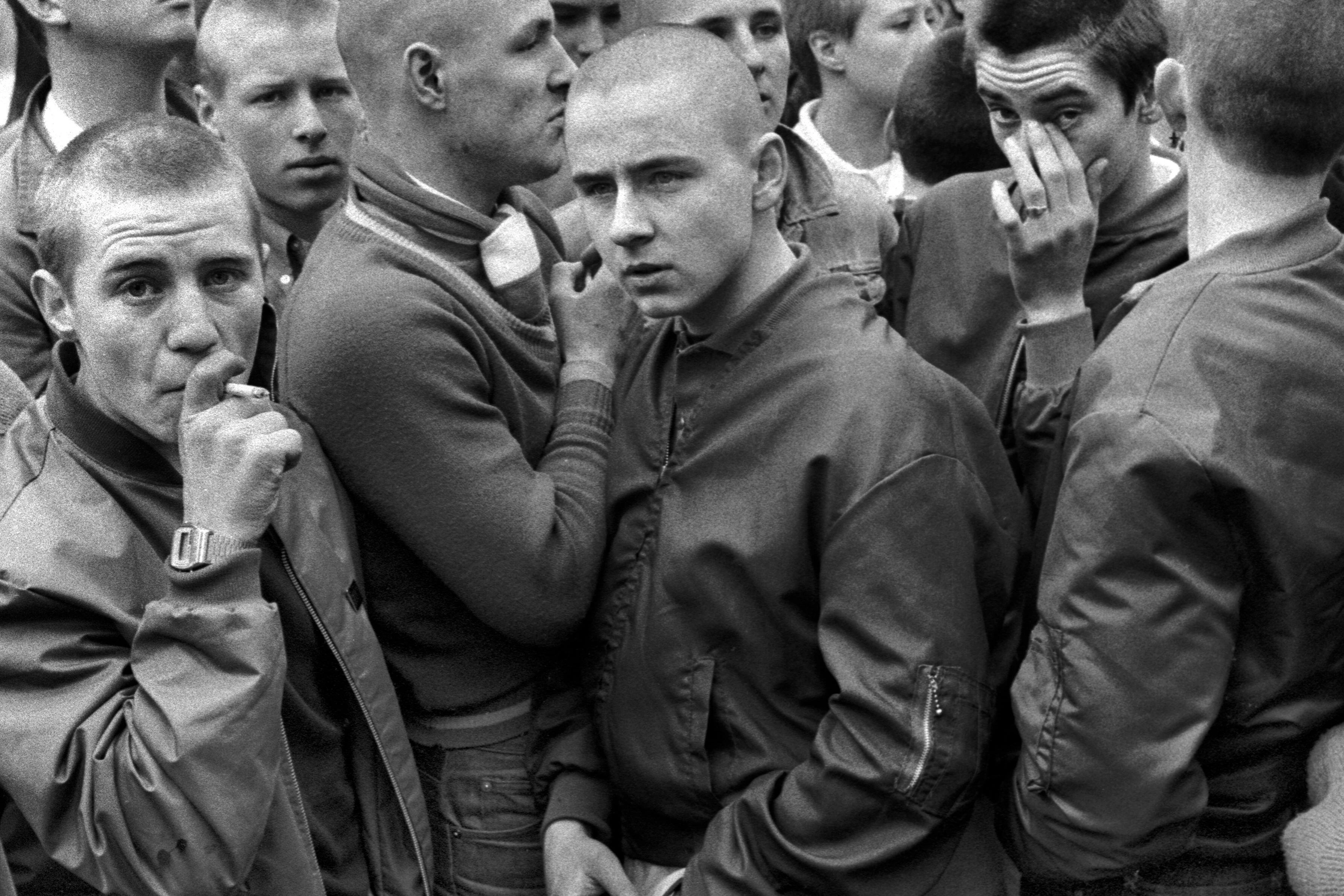
In the mid-1980s, stylist Ray Petri was instrumental in popularizing the MA-1 jacket in the UK. He recognized its military and subcultural origins but repurposed it for the emerging club scene through his influential editorial work for style magazines The Face and i-D. Petri was inspired by Jacques Negrit, head doorman of Parisian club Les Bains Douches, whose staff, all Black men from Guadeloupe, wore MA-1 jackets with the name of their company, Buffalo, stencilled on the back. Negrit gave Petri a jacket, which featured in for i-D magazine and quickly became an essential item of streetwear in the UK.
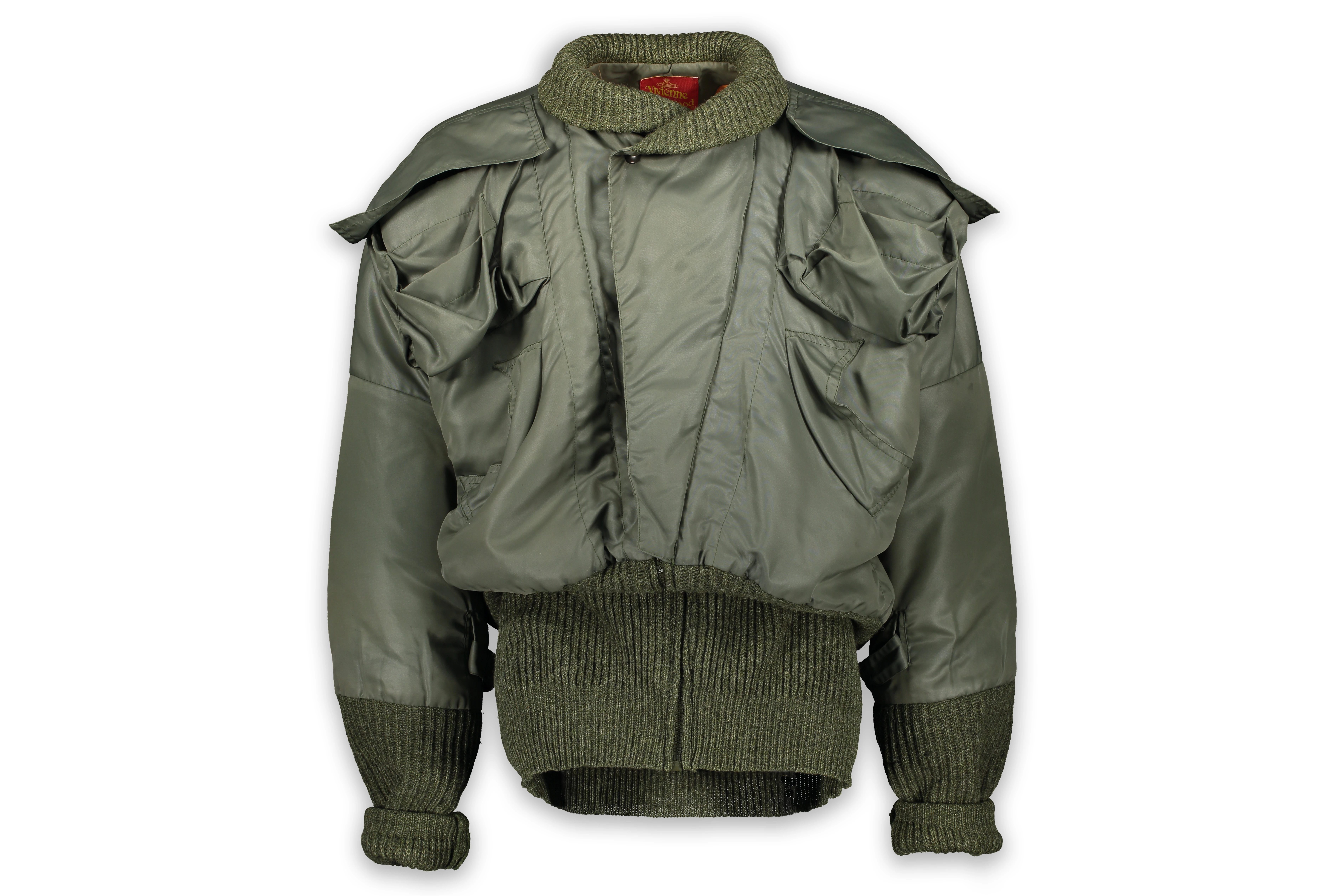
As the jacket moved from military specification to subcultural garment it began to be reinterpreted by several high-profile designers, including Vivienne Westwood with her Clint Eastwood jacket in 1984. It featured exaggerated proportions, large voluminous pockets and extra-wide knitted rib on the hem and cuffs.
Jean Paul Gaultier subverted the jacket’s military heritage by reimagining the MA-1 as cinched-waist jackets, capes, extra-long biker-style jackets and even umbrellas.
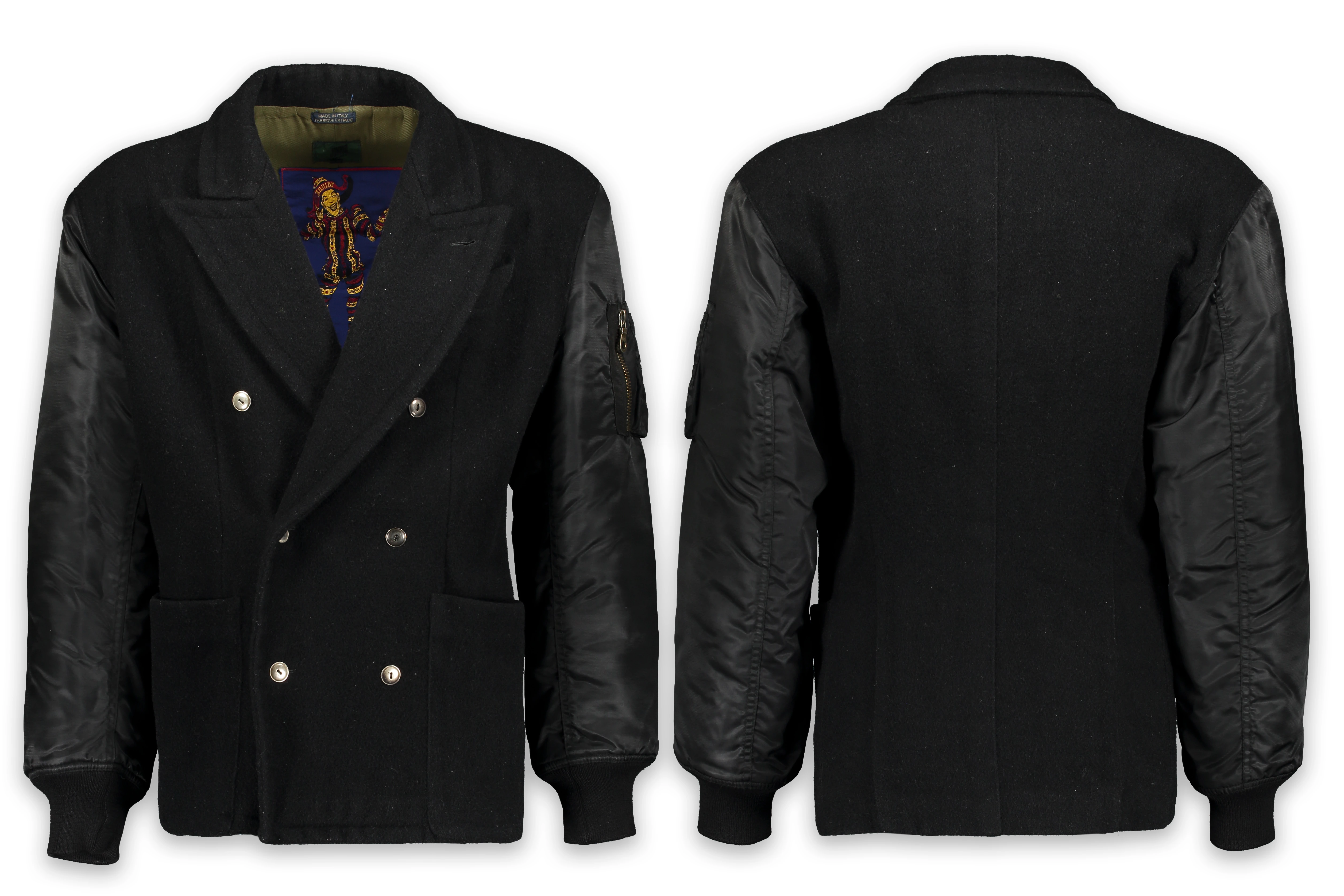
The jacket has since been repeatedly reworked by Helmut Lang, Comme des Garçons, Prada, Rick Owens, Junya Watanabe, Sacai, Undercover, Vetements and Balenciaga.
One of the most revealing reinterpretations was Raf Simons’ Autumn/Winter 2001 Riot, Riot, Riot collection, which not only took influence from the original MA-1 jacket but also from its later adoption by British subcultures. An example from the collection featuring patches of David Bowie, David Sylvian and Richey Edwards sold on Grailed for $47,000 in 2018.
Which brings us back to those 47 mistakes. To most of us, Vetements had produced an MA-1 jacket. It had the knitted rib, the sleeve pocket and the nylon body. Yet Alpha Industries saw dozens of departures from the technical logic of the garment, down to details such as the number of stitches per inch.
That gap helps to explain the MA-1’s military afterlife. Fashion had understood the jacket as a series of design details. The ribbed cuffs, the nylon body, the utility pocket and the zip opening. The original garment that was a technical solution to military demands, had subsequently been reduced to a visual language for designers to reproduce, exaggerate, or subvert.
The military kept revising the MA-1’s function as aircraft and equipment changed; multiple subcultures adopted it and revised its cultural meaning; and fashion designers appropriated its form and endlessly revised its appearance.
For all the designers who have tried to claim it, the MA-1 ultimately belongs to none of them. It began not with a celebrated designer but with a specification, and perhaps that is why it has proved so difficult to possess. After seventy years of revision, it has somehow come to belong to everyone and no one.