
The Archive Upstairs
How can clothes enter an archive without leaving behind the people who made them meaningful?
Republished as originally written. References to events reflect the original publication date.
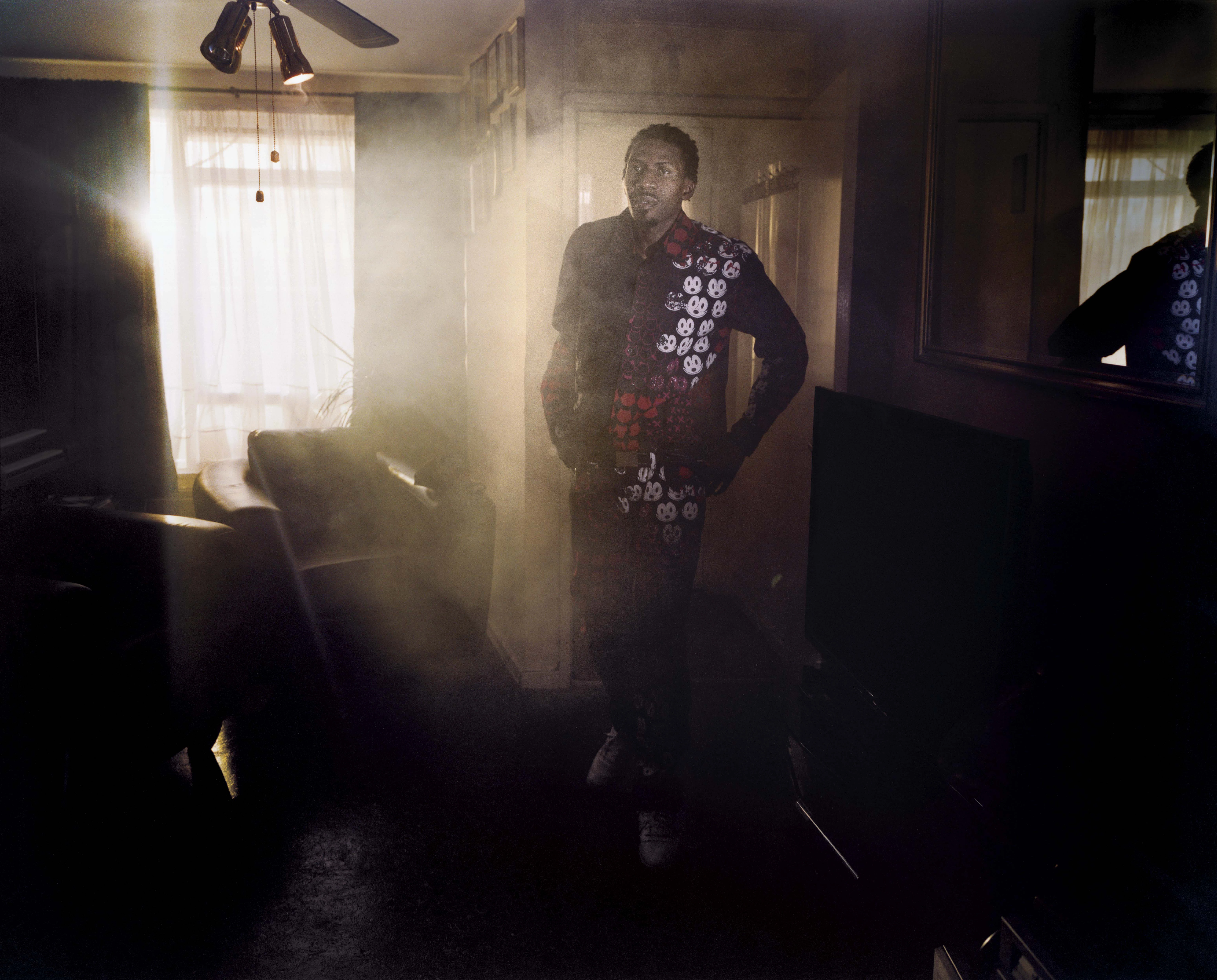
In 2016, Ewen Spencer photographed MC Bushkin in his mother’s North London sitting room. Sunlight seeps through the window, catching the smoke in front of him. MC Bushkin stands in a matching black, red and pink shirt and trousers covered with the repeated face of Felix the Cat. The clothes cover his body with pattern. The room remains recognisably domestic.
The photograph appeared in Arena Homme+ as part of Ewen’s original Oh My Mosch..! story. Yet the outfit MC Bushkin is wearing is not Moschino; it is from Iceberg’s History line.
Within jungle and UK garage, Mosch came to mean a whole way of dressing, not simply clothes made by Moschino. A conventional archive could correctly identify this outfit as Iceberg and still miss why it belonged in a story called Oh My Mosch..!.
A decade later, the same shirt and jeans appear again; yet this time MC Bushkin is no longer inside them. At the Westminster Menswear Archive they were photographed under standardised archival conditions, enabling the outfit to be examined in more detail.
The archival photographs capture details that might go unnoticed in Ewen’s original image. They allow the shirt and trousers to be compared, identified and studied as objects. What they cannot explain is why an Iceberg outfit belongs within a story called Oh My Mosch..! The label identifies Iceberg, but not the people who gave the clothes their new meaning within jungle and UK garage.
I asked MC Bushkin when he first began buying and wearing clothes like these. He dates it to around 1997 or 1998, when he and his friends wore them to jungle raves. As he moved into UK garage, the same clothes went with him. He made no distinction between what he wore to rave and what he wore to MC. They were “one and the same”, part of what he called “24-7 performance, because you always wanted to look good”.
The archival photographs show what the clothes are, but MC Bushkin explains what they meant when he wore them. Without his account, they could easily be read as stage costumes brought out for appearances and put away afterwards.
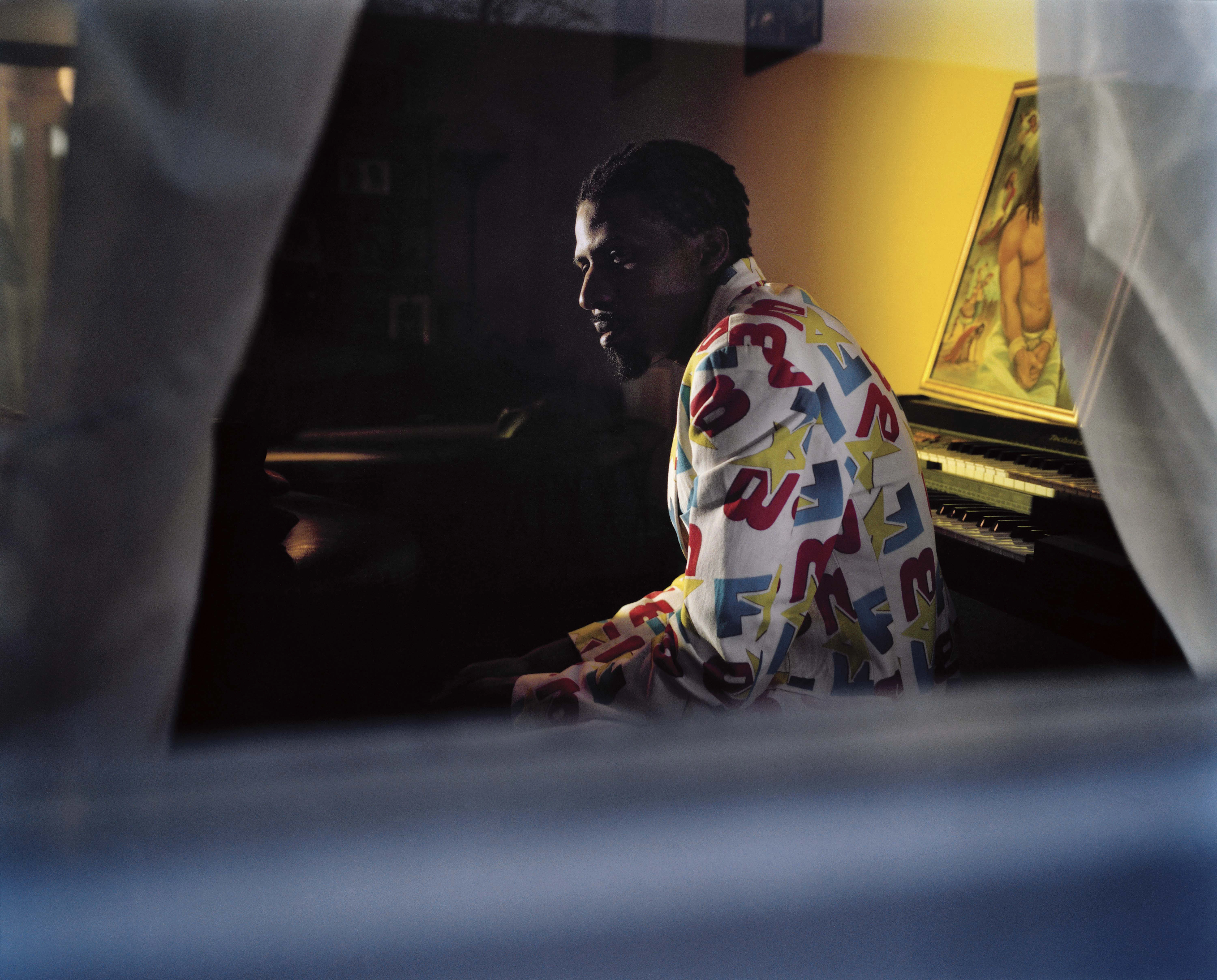
MC Bushkin’s authorship of his look came not from designing or altering the garments, but from finding, buying and assembling them, then deciding how they should be worn. Moschino may have supplied some of his most instantly recognisable clothes, but it did not control what they came to mean.
“Before I even open my mouth, people are going to be like, ‘Wow, who’s this?’”
The clothes were seen before he was heard.
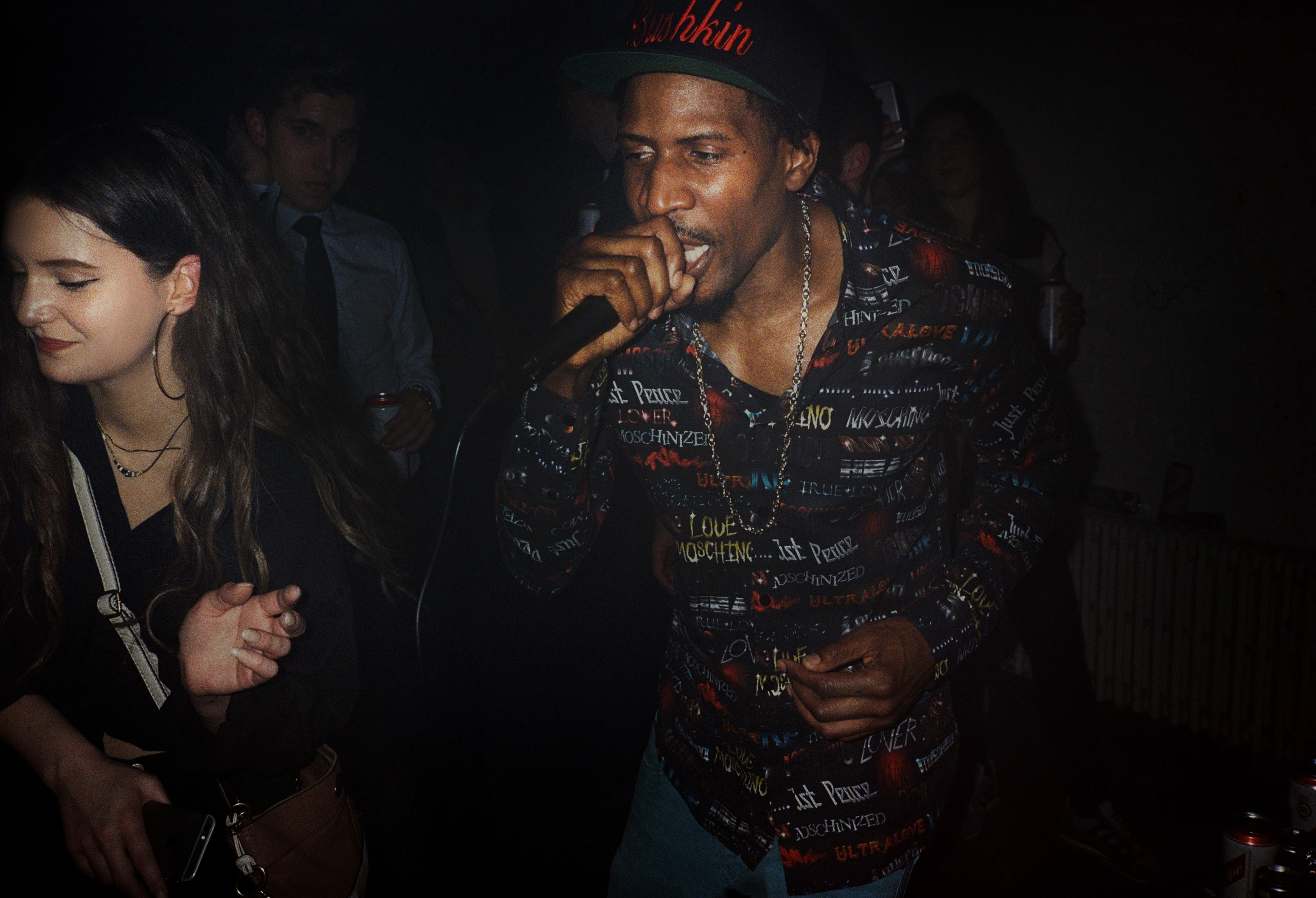
Their distinctiveness provided another reason to put them aside. Once an outfit had been noticed, wearing it again risked comment. His solution was direct: “I wear them the one time and then I put them up in the attic.”
MC Bushkin was not keeping the clothes with a future exhibition or book in mind. He describes it more bluntly as “ego and hoarding”. A new outfit arrived, and the previous one was bagged and taken upstairs.
What later became MC Bushkin’s archive could only begin once he could afford to keep the clothes. He places that point at around 2001, when life had become more stable. Before then, garments were often sold, exchanged, damaged, given away or stolen.
One was a red and black snakeskin-print Versace suit that he gave away and never saw again. Another was a pair of bright yellow Moschino graffiti jeans from around 1997 that were sold. Other garments were worn by relatives, ripped or simply lost. Those absences also shape the history the archive can tell. What survives upstairs is not a complete record of what MC Bushkin wore. It begins at the point when success allowed him to retain what he bought. The attic preserves prosperity more completely than struggle.
The hundreds of swing tags make that connection between clothing and money even clearer.
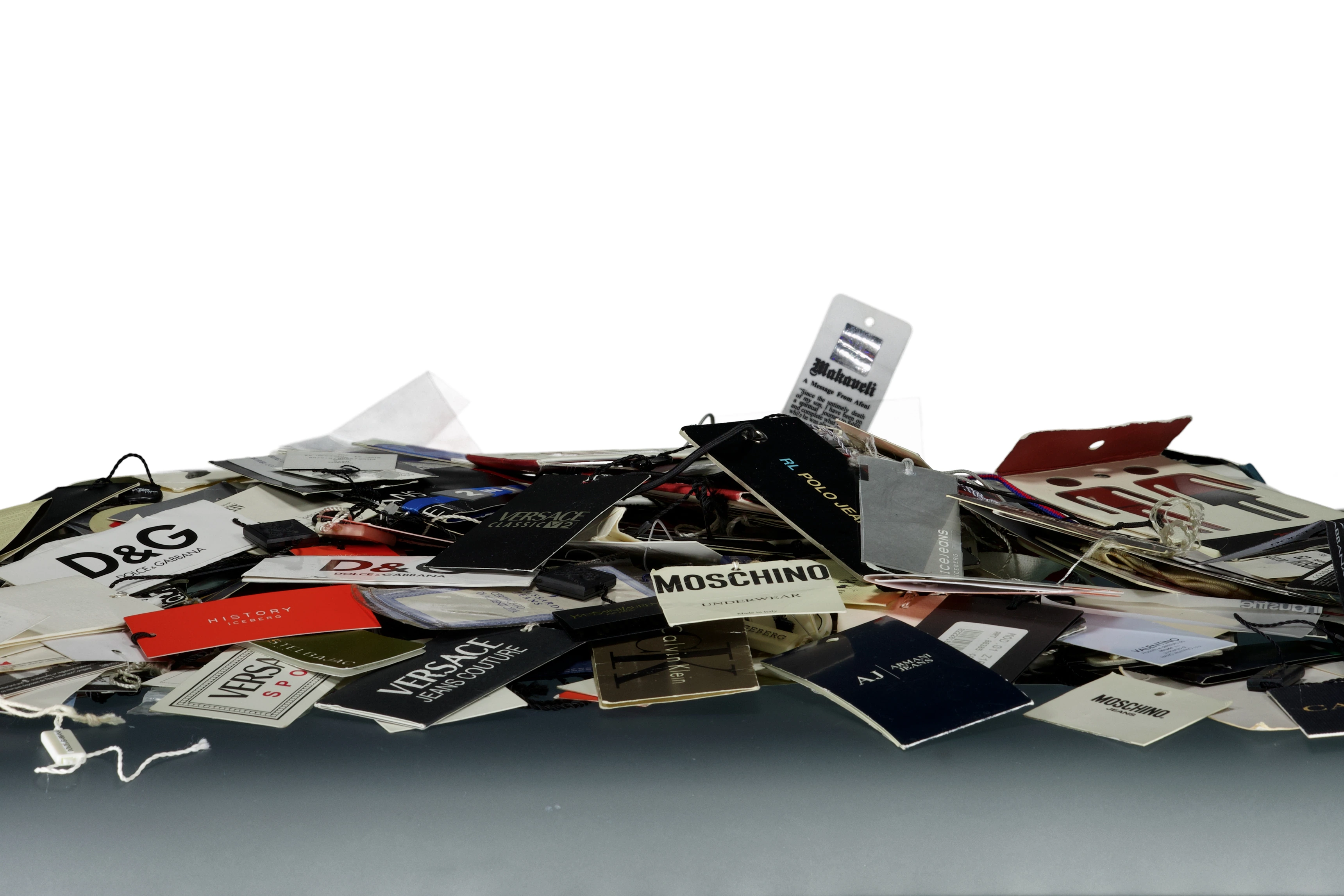
MC Bushkin refers to them as his “little trophies and medals”. He connects their survival to the cost of the clothes and to having come from what he calls “that poorer kind of background”. The tags record more than brands and prices; they document what it took to own the clothes at all.
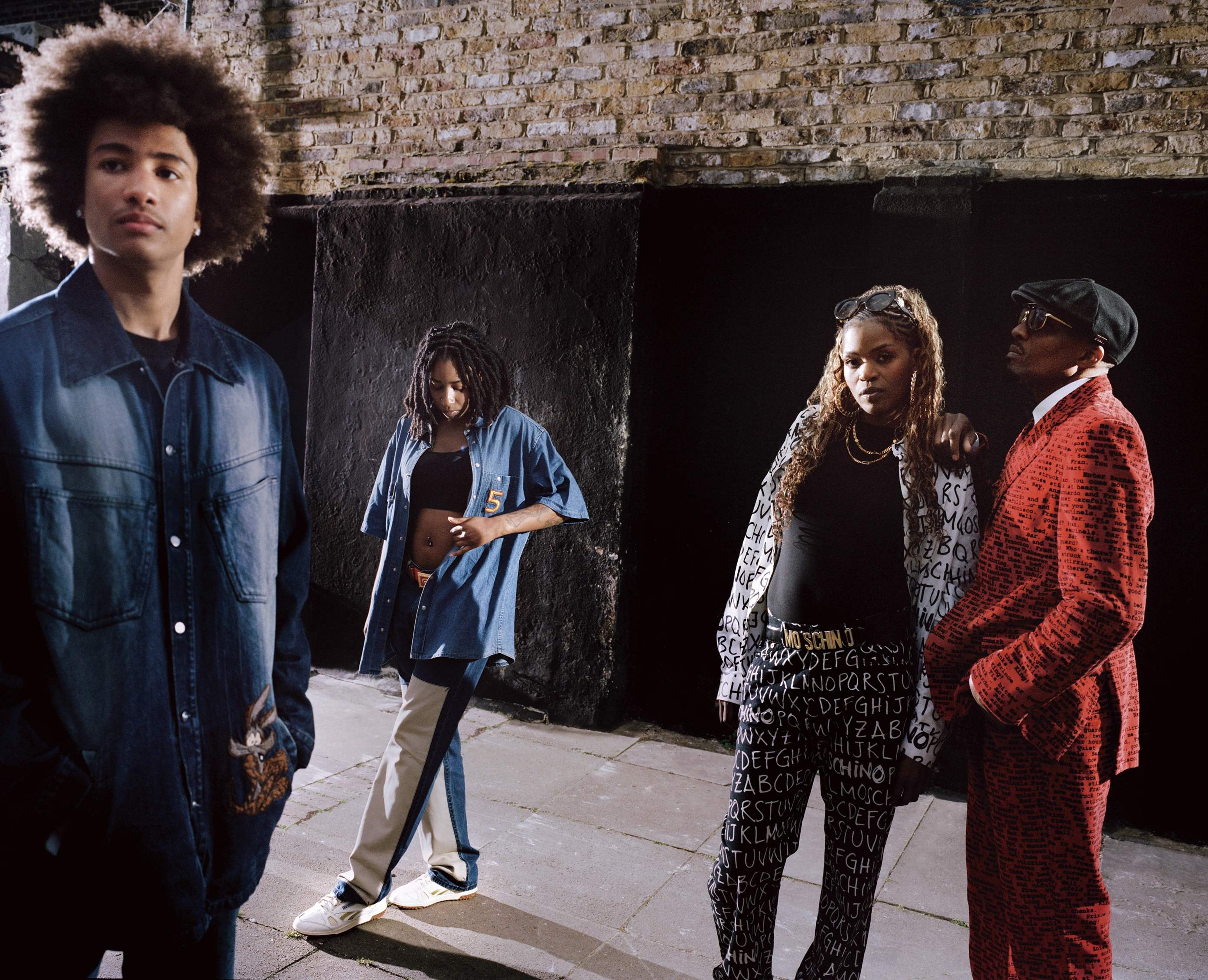
Both the tags and the clothes were stored in the attic of the house where MC Bushkin grew up. It’s why Ewen’s photographs of MC Bushkin’s family matter. The images of his sisters, their children and the rooms of the house are not incidental background. They keep the clothes attached to the family relationships and domestic setting through which their history survived.
The garment photographs use the same archival format employed to produce records for the Westminster Menswear Archive. The lighting, scale and background are made consistent. Fronts and backs are framed precisely. Prints that competed for attention on MC Bushkin’s body become available for forensic examination. These images appear to be neutral records, but neutrality is produced by removing things. MC Bushkin’s body disappears. So too the house, the music, and the social judgement that made repeating an outfit difficult. The image becomes clearer as the history around it becomes less visible.
Keeping those garments attached to MC Bushkin matters beyond this book. Fashion brands use archives to stabilise the histories they choose to tell. Moschino’s relationship with jungle and UK garage remains largely absent from the brand’s public account of its history. The danger is not simply that this connection might be forgotten. It is that it could eventually be recovered as useful brand heritage, detached from the people and social conditions that produced it. Archives do not only prevent forgetting. They protect the authorship of meaning.
In Ewen’s 2016 photograph, MC Bushkin stands downstairs inside the clothes. Elsewhere in the house, other outfits remain bagged in the attic. In this book, those clothes come downstairs again.
MC Bushkin put the clothes away because he did not want to be seen in them twice. Ewen’s return means that, decades later, we can see them again.
This essay is abridged from my contribution to Ewen Spencer’s book Oh My Mosch, published on 29 October 2026, featuring MC Bushkin’s extraordinary clothing archive.
Images: Ewen Spencer