
What We Got Wrong About Menswear
How our understanding of fashion helped make menswear invisible
Republished as originally written. References to events reflect the original publication date.
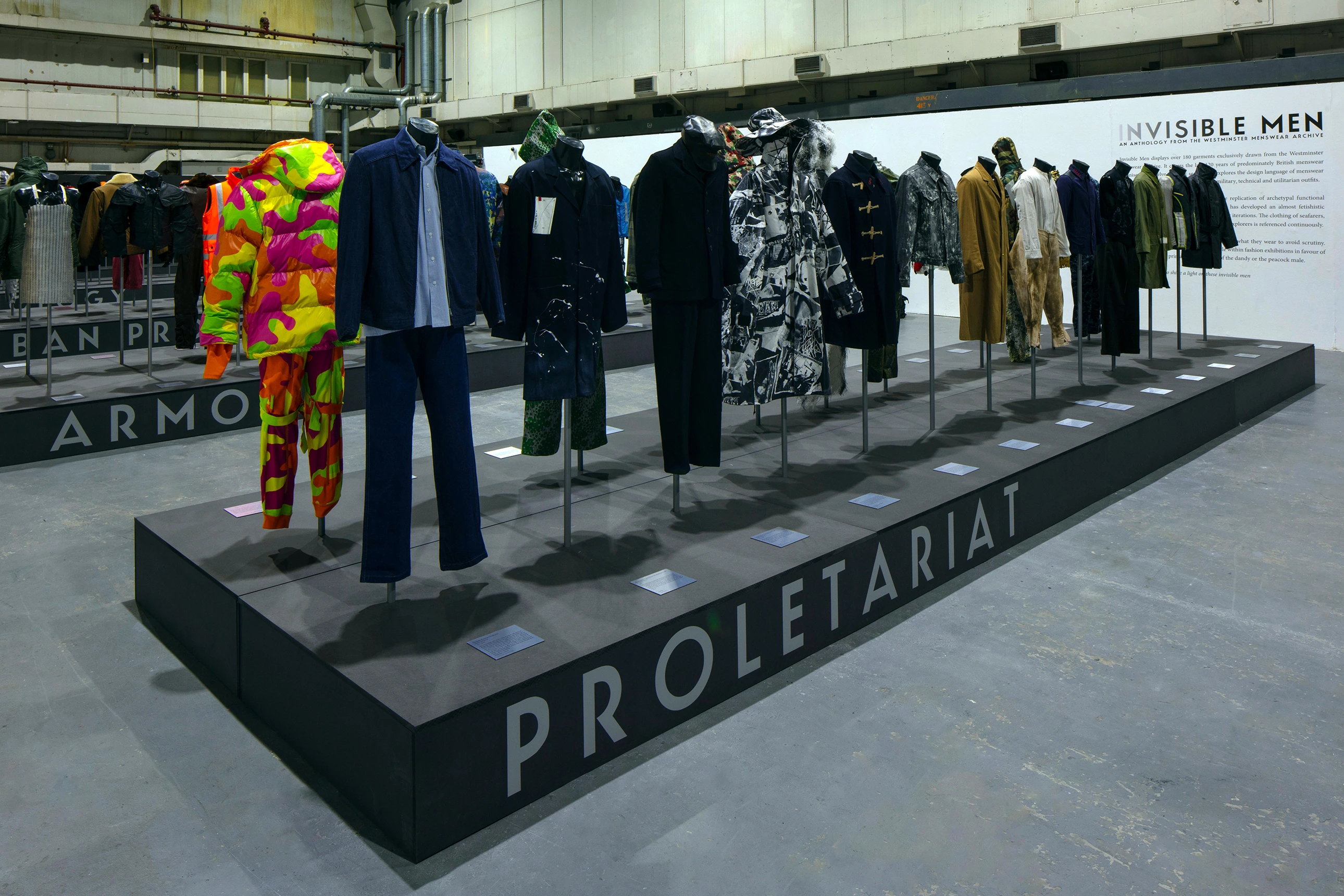
When I started the Westminster Menswear Archive ten years ago in 2016, it was with a very clear purpose. Menswear was systematically underrepresented in fashion collections. It was an absence that, once you see it, you can’t unsee. Go to the Costume Court at the V&A and womenswear far outnumbers the menswear on display. Go to exhibitions and, where there could be menswear, it is often absent. Despite numerous exhibitions on Alexander McQueen, including Savage Beauty at the Metropolitan Museum of Art in New York and the V&A in London, his menswear has remained absent.
The solution to this problem seemed straightforward: establish the Westminster Menswear Archive to address that gap by collecting menswear.
Ten years on, however, our understanding of what the real problem was has changed. Menswear was missing from fashion collections, but elsewhere it had been collected in abundance: as military uniform at the National Army Museum; as sportswear at the National Football Museum; and as everyday dress in the London Museum’s social history collection.
So why was it in those collections yet by comparison almost completely absent in collections of fashion?
From the late eighteenth century, fashion became increasingly associated with femininity, while masculine dress became associated with restraint, practicality and permanence.
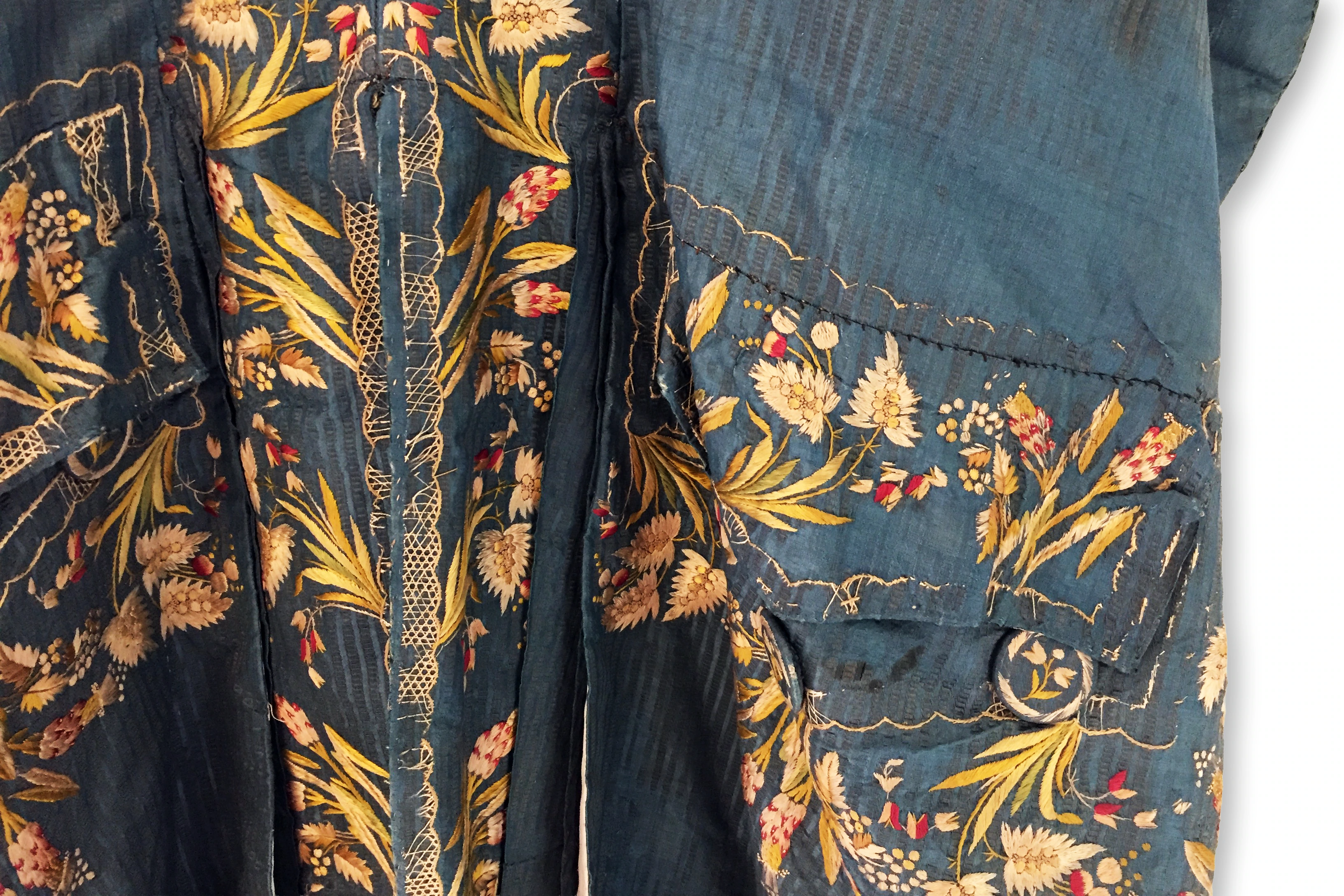
But that didn’t mean that men stopped engaging with fashion. Instead, they found ways of positioning their interest in fashion as something other than fashion. That approach has persisted to the present day. Men developed a vocabulary that allowed them to take clothing seriously without admitting an interest in fashion. They can discuss clothing in terms of equipment, rig out or kit, describing it as timeless, functional, technical or authentic. These terms allow men to engage seriously with how they dress without appearing interested in being fashionable.
But there is a danger that in taking menswear seriously, we reproduce the very prejudice that has helped exclude it from fashion history. By emphasising its technical sophistication, construction and functionality, are we suggesting these qualities make it more worthy of study than clothing concerned with decoration or appearance?
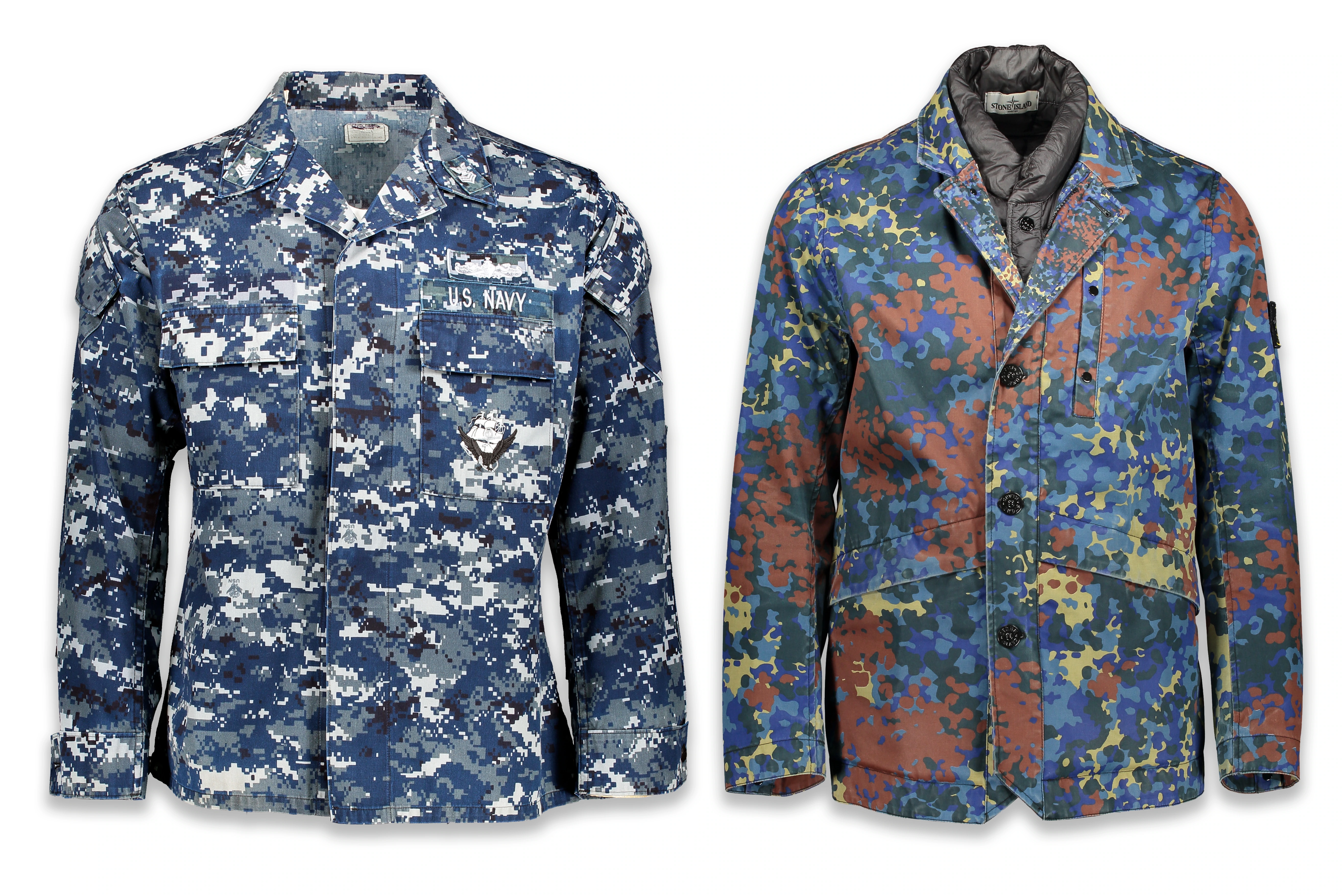
The ubiquitous adoption of camouflage within civilian menswear over the last 40 years illustrates how its perceived functionality has enable it to hide aesthetic decisions that could otherwise be considered feminine. Despite it use of pattern based on foliage and nature presented in multiple colourways, it has managed to be perceived as still operating within acceptable masculine and military activity. Yet once seen, the parallels with the widespread use of floral prints in womenswear seems obvious, but is rarely commented upon.
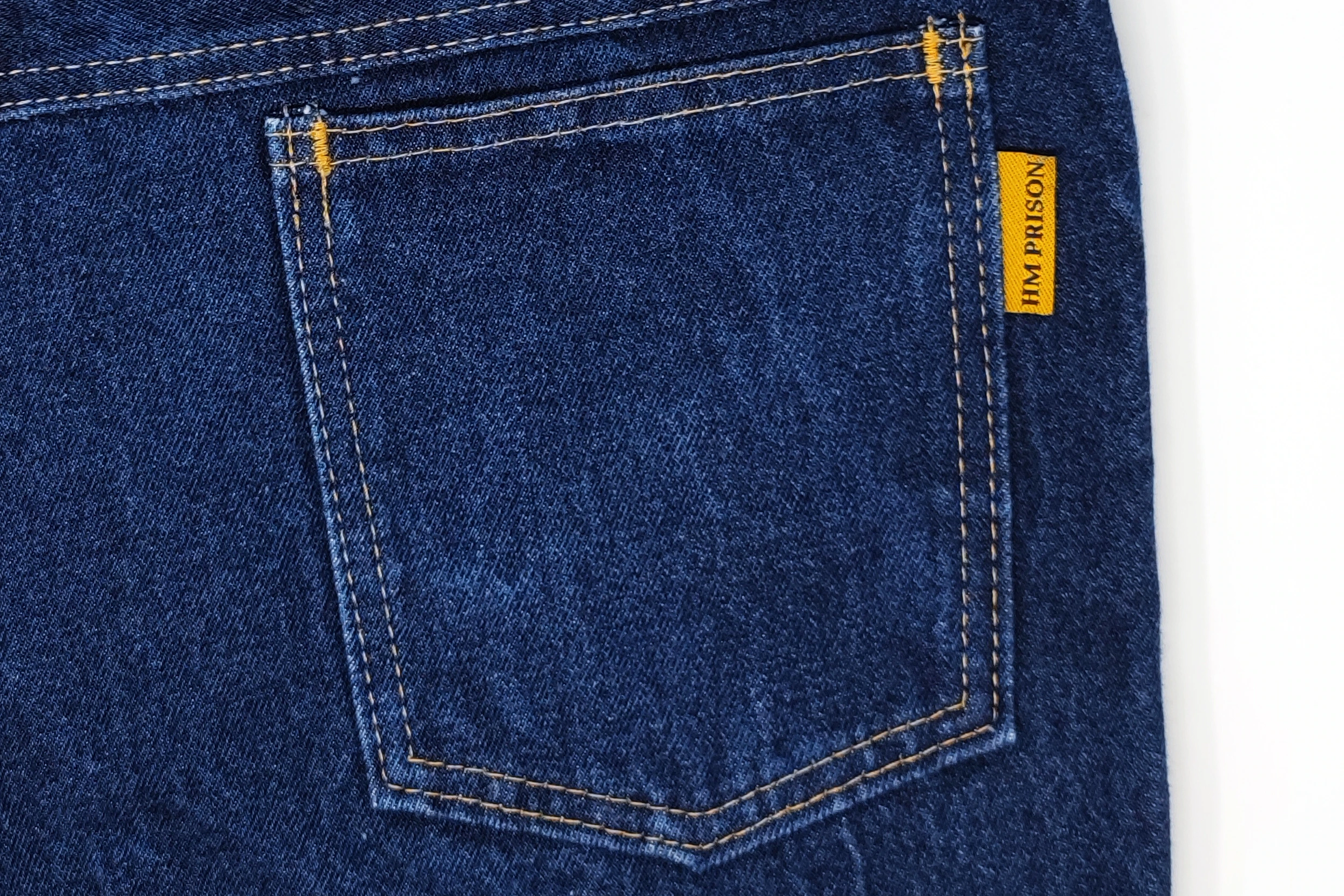
The Westminster Menswear Archive holds clothing produced for industrial, military and other utilitarian purposes, including examples of men’s prison uniforms. In 1971, female prisoners in England and Wales were allowed to wear their own civilian clothing, a reform that Juliet Ash, in Dress Behind Bars, connects to ideas of rehabilitation and the normalisation of women as consumers. It wasn’t until 1991 that convicted men began to be granted the same choice. Ash documents how prison authorities assumed women were interested in fashion, while men were less concerned with their appearance. This twenty-year difference reveals how institutional assumptions about gender shaped where fashion was considered to belong.
A couple of years ago, someone responsible for designing clothing for male prisoners visited the archive and explained the process. They said it involved shopping on the high street buying various sweatshirts, t-shirts and other garments then bringing them back to the show the prisoners to ask for their feedback. This example of user-centred design also illustrates that personal ideas of style and fashion were integral to the creation of prisoner’s clothing, even if later those garments might be classified purely as institutional uniforms rather than fashion.
Military uniform presents another contradiction. It can be highly decorative, yet we rarely describe it as fashion. Elaborate embroidery, braiding, insignia and colour are all part of military dress. As I have previously discussed, the concept of allyness demonstrates that fashionable behaviour can operate even within an institution organised around uniformity and regulation. There is something perverse about an institution built on uniformity placing so much importance on distinctions of appearance.
What has made it harder to see this activity around uniforms as fashion is the pace at which these changes might happen, in contrast to the garments historically collected with fashion museums which privileges clothing that illustrates seasonal change produced by named designers, and often focused on novelty and spectacle. Military dress may enter fashion history once appropriated by a designer, while workwear becomes recognised as fashion when its functional features are reinterpreted as style. Neither garment may have fundamentally changed, instead it is the context in which the designer positions that then enables them to be seen as fashion.
But why should a designer’s involvement determine whether a garment is recognised as fashion? The way an institution categorises an object shapes how it is understood. A jacket may be classified as military uniform, industrial workwear, sporting equipment or fashion, depending on the institution collecting it. The language with which an object is catalogued influences how it can be researched, compared and interpreted. The Westminster Menswear Archive’s non-hierarchical approach challenges the assumption that designer fashion should occupy a privileged position over other forms of clothing.
As someone who has worked in fashion since the early 1990s, it took me 25 years to realise how systematically menswear had been excluded from fashion history. It has taken the last decade to realise that simply collecting more menswear is not enough to challenge the ideas that made menswear difficult to recognise as fashion.
For ten years, we thought we were collecting what fashion museums had overlooked. What we hadn’t understood was that collecting more menswear would not necessarily change the assumptions about fashion that had enabled those institutions to exclude so much of it in the first place.