
You Didn’t Get It From Us
How Oi Polloi created a Mancunian code of recognition
Republished as originally written. References to events reflect the original publication date.

Two rugby shirts, one long-sleeved, one short. One Ralph Lauren, one Gramicci. A purple sweatshirt, an indigo parka, loose fossil-coloured Fjällräven trousers and a pair of burgundy Timberland boat shoes. The brands trace a route through New York, New Hampshire and Ventura, via Sanjo and Fukui in Japan, and Örnsköldsvik in Sweden. Yet somehow they’ve all ended up in Manchester.
Who is this man?
He’s Perry Boy Floyd, “born somewhere between the Hacienda and the Arndale”, according to Deck-Out No. 423. His approach to dressing is equally precise: “The trick was to look like you hadn’t tried, while having spent the previous three hours trying.”
Nonchalance is a serious business.
It’s been more than four years since Deck-Out No.422, and roughly three years since the shop closed. But this week Oi Polloi returned.
Perry Boy Floyd was the latest in a long line. Over the years, the Deck-Outs had introduced us to an ever-expanding cast of Mancunian characters.
The early ones featured familiar faces in ever-changing roles. Mr. Brown as “The Starbucks Sherpa” and “Wealthy Woodcutter”. Mr. Harris as “Chocolatier Mountaineer”. Mr. Trickett appeared as “Rogue Geography Teacher”.
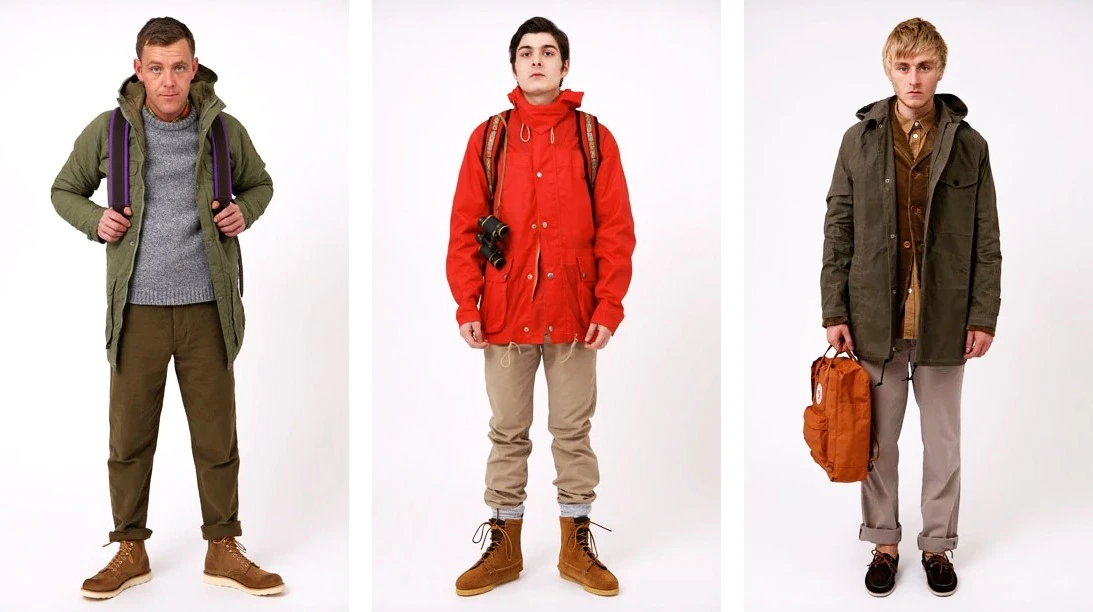
Climbing, forestry, and teaching might have supplied the wardrobe, but Oi Polloi supplied the humour. The descriptions quietly undermined the idea that anyone was really dressing for the competencies that these specific clothes were designed for. Mr. Brown, Mr Harris and Mr Trickett could have been the long-lost cousins of Mr Benn, for whom changing clothes opened the door into another world. For the Starbucks Sherpa, it just opened a door into Starbucks.
But nonchalance is a serious business.
While designers and brands might make the individual garments, it was Oi Polloi that understood how a rugby shirt, a Swedish parka and a pair of boat shoes could end up on the same man, and how to make it seem as if the whole thing had happened by accident.
Their modus operandi was clear from the start.
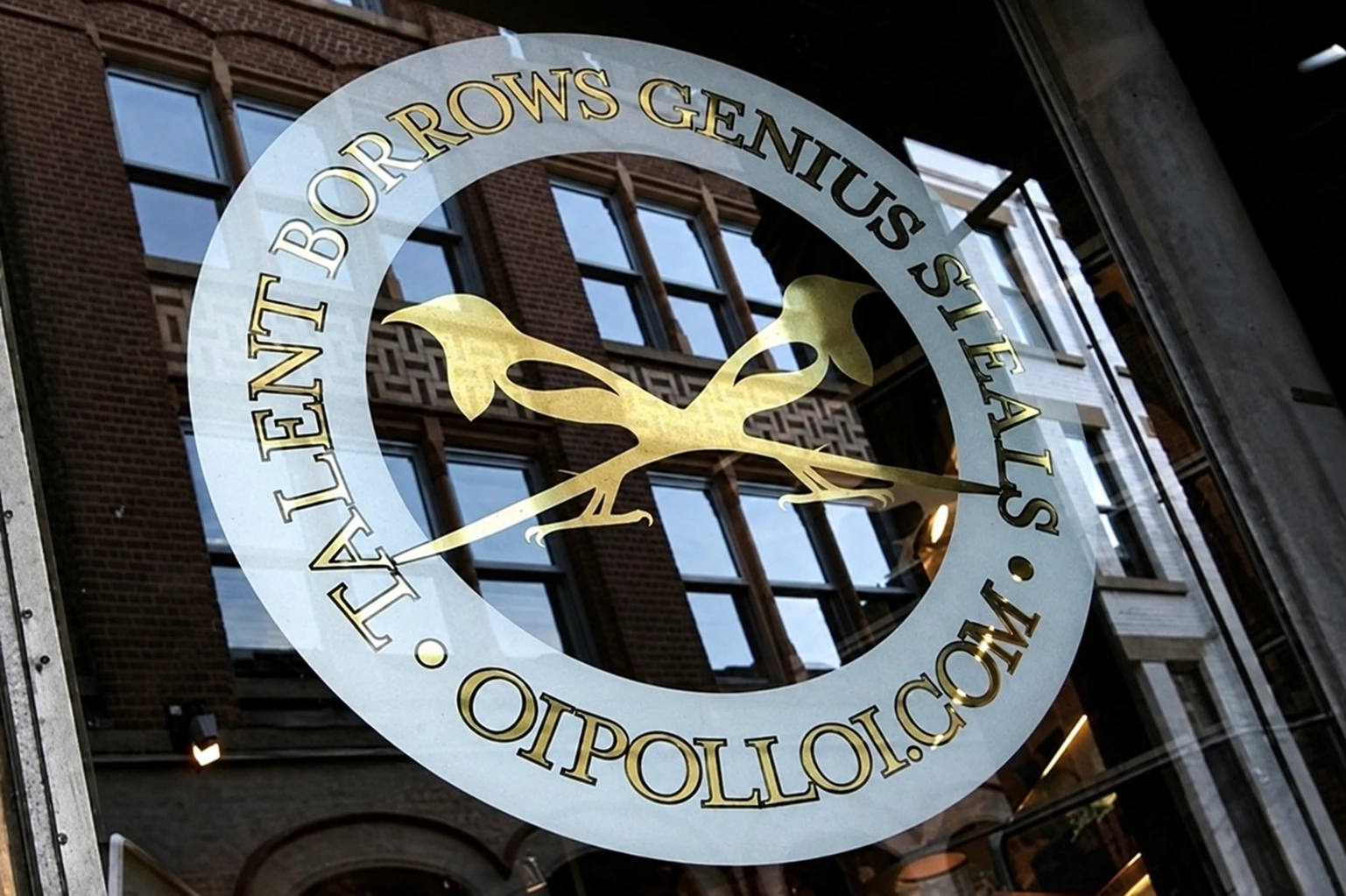
The original Tib Street store window featured a pair of magpies and the words “Talent Borrows Genius Steals”. It was an unusually candid account of how Oi Polloi operated, with a shared “magpie” approach to menswear through hunting and collecting. The clothes in the store weren’t just bought from brands and placed on a rail, they were hunted down, reappropriated and mixed with existing vintage garments.
The same approach runs through Oi Polloi’s 2010 collaboration with Henri-Lloyd, which reissued the Consort RWR and Viking jackets in the bright colours. In Ben Lamb’s illustration, a lookout peers through binoculars in a Consort jacket. The accompanying text moves from sailing through Milanese Paninaro and Acid House, via the former Manchester yachting showroom that became the Haçienda, before arriving at the Ship Canal and the wet football terrace. The jacket’s original purpose is never denied, but it is no longer enough to explain what the jacket means.
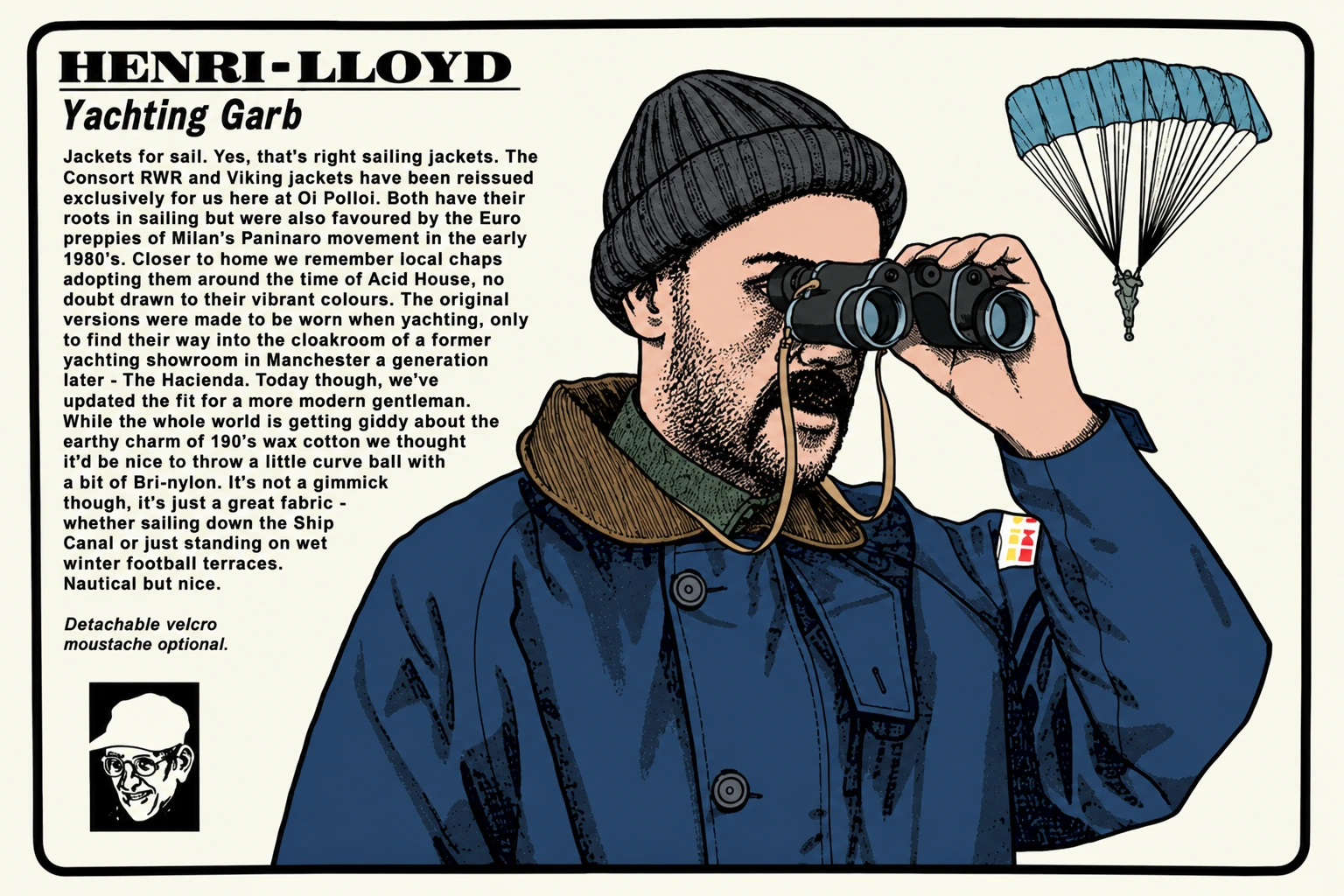
Oi Polloi’s imagery repeatedly offered men two positions: the one looking through the binoculars, and the one who recognised the obscure jacket. Whichever one you were, the same code applied.
You saw nothing.
You heard nothing.
You know nothing.
The point wasn’t ignorance. They knew that a Henri-Lloyd sailing jacket, a Barbour fly-fishing coat and a Lyle & Scott golfing jumper all had their own unique histories. What founders Nigel Lawson and Steve Sanderson did was reposition those histories though combination and selection so that they took on new meanings. In doing so they created a way of reading those clothes: knowing how to wear them, and who would recognise it.
Indeed, most of the clothes they stocked were available elsewhere; what Oi Polloi supplied was their unique and unexpected combinations. In Britain, Fjällräven was obscure outdoor gear; in Sweden, it was familiar equipment for people who spent time outside. Jacoform was an even more extreme example. In Denmark, it was an orthopaedic shoe designed for comfort as part of the natural foot movement. But on the feet of an Oi Polloi Deck-Out character, it became part of a wardrobe shaped by football terraces, outdoor wear and vintage sportswear. Ironically, its orthopaedic associations became part of why it worked.
In a previous essay, I described allyness as the military practice of making experience and readiness visible through small, peer-recognised details of dress. Though Oi Polloi was focused on civilian dress, it shared the same obsession with peer judgment. Their garments enabled men to make their knowledge, taste, and connoisseurship visible. They could signal that they could recognise an unlikely garment, understand where it had come from and make it look right beside something else. The ability to make a very considered outfit look like an accident.
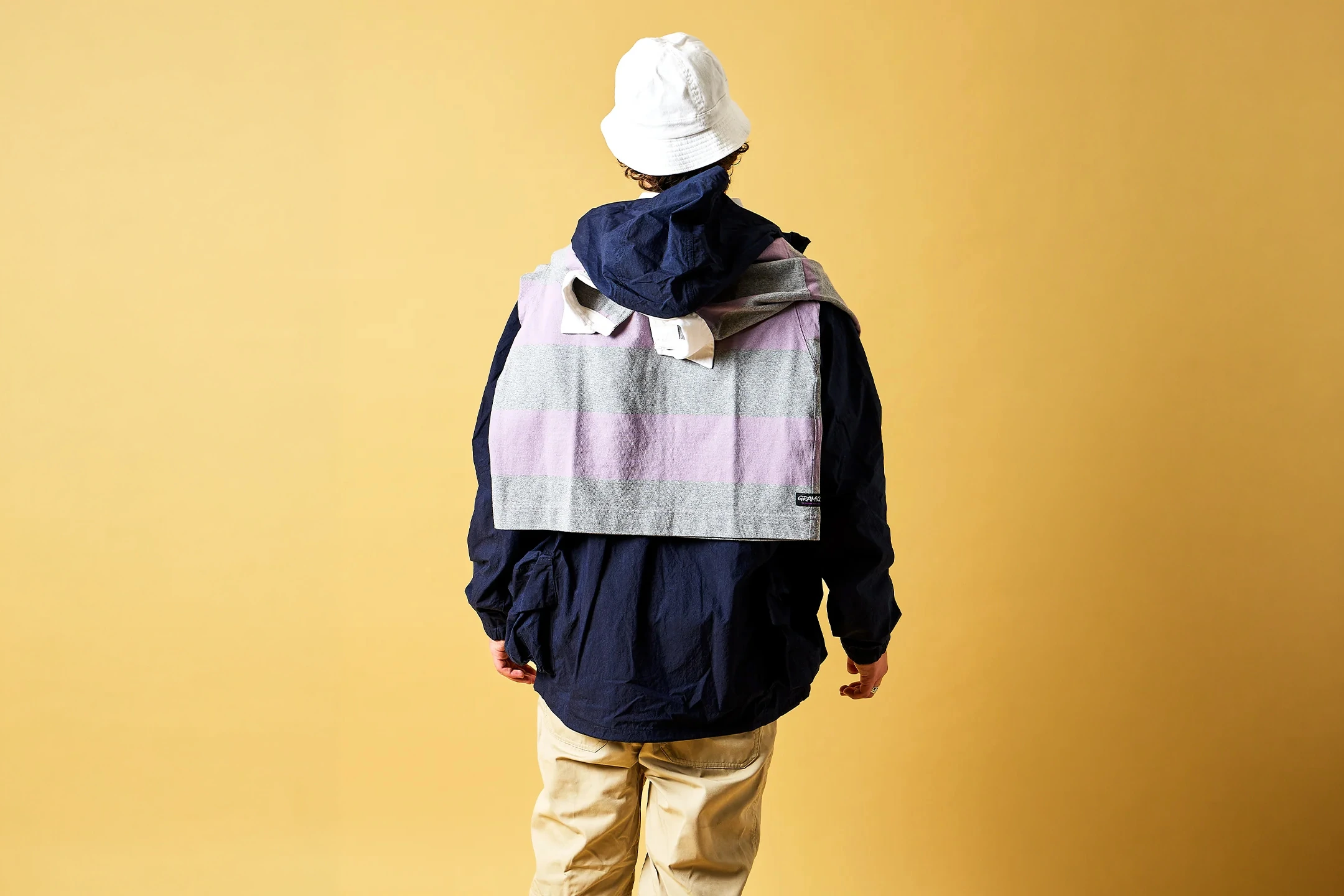
Perry Boy Floyd’s outfit could have been bought elsewhere. But what matters is the chance that somebody else might see it, understand why the rugby shirt was worn over the parka and why the boat shoes mattered, then say nothing. That is what Oi Polloi gives its customers: a place where the effort of getting dressed is understood, and the joke can be shared.
You didn’t get it from us.